
When it comes to supporting your immune system this winter, there are all sorts of tips and tricks available across the internet. But how do you know they will work for you?
As a nutritional therapist, it’s paramount that recommendations are backed by science. So, Google search no further; here are some scientifically backed areas that I recommend you focus on.
Eat varied, colourful, and predominantly whole foods for the vital nutrients that support your immune system.
The most important thing to do is to provide your body with all the nutrients it needs. Why? Your immune system constantly produces many billions of new cells, which need nutrients to function correctly. Malnutrition is not just connected with countries where the population is underfed; it is also associated with developed countries, in those who simply don’t eat enough or lack a varied diet.
Micronutrients (vitamins and minerals) are particularly important for your immune cells to work properly. By focusing on predominantly whole foods in the form of whole grains, vegetables, fruit, healthy fats and protein, it isn’t too difficult to ensure you’re getting what you need.
Eating a balanced diet that is rich in whole food macronutrients (protein, complex carbohydrates, healthy fats) and micronutrients (vitamins and minerals) will also ensure that blood sugars are more stable. This is vital for the production of the immune system’s white blood cells, but also positive for consistent energy levels, something that can be more difficult in the winter months with daylight fading mid-afternoon.
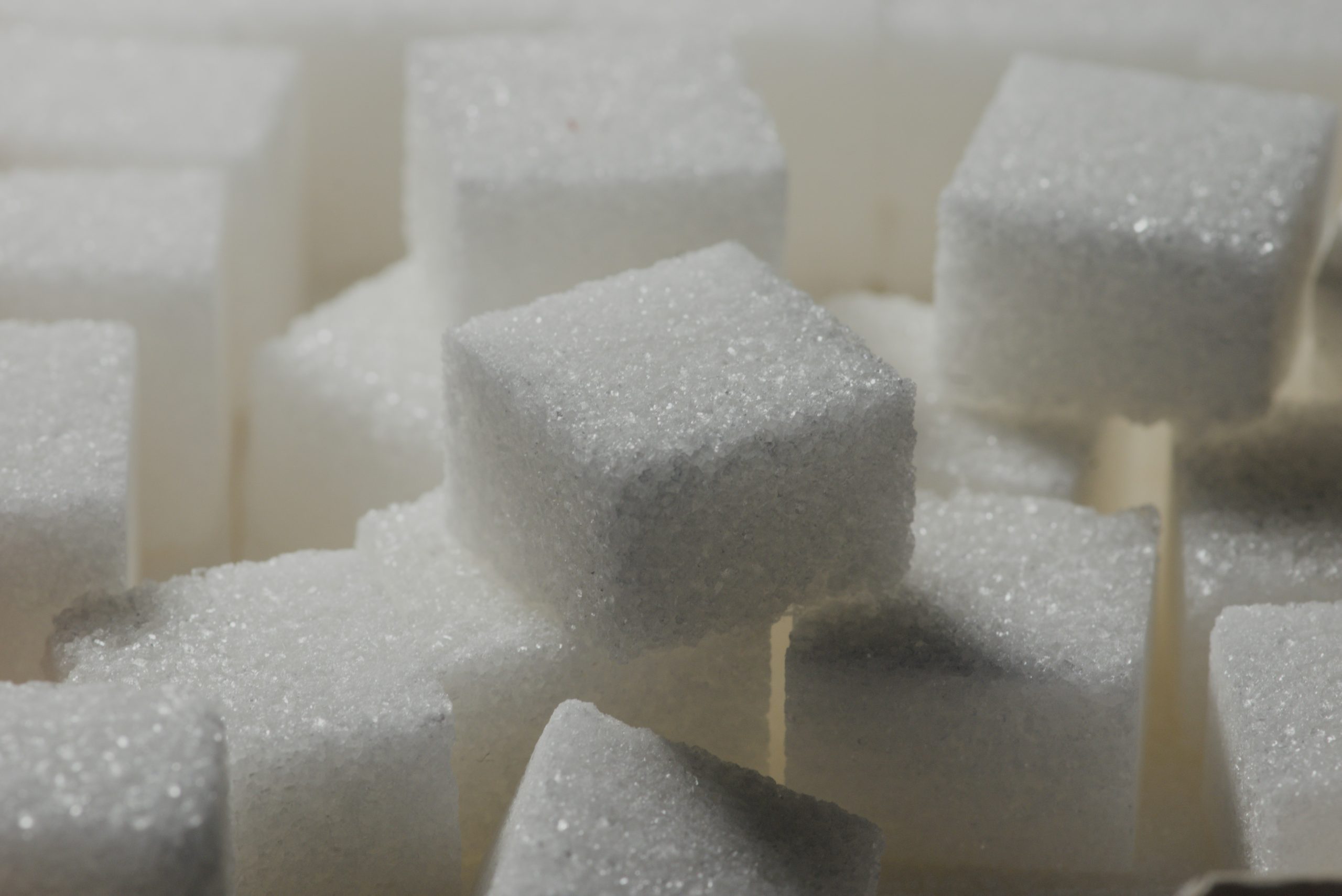
Need a mid-morning or afternoon snack? Opt for a micronutrient-rich option instead of a sugary one, which can weaken key immune cells.
A mid-morning or afternoon sugary snack may temporarily boost energy levels, but it negatively impacts the production of white blood cells, which are key players in your immune system that help fight off infections from viruses and bacteria, such as coughs, stuffy noses, and chest infections.
A sudden rise in blood sugars will also likely lead to a blood sugar crash soon afterwards, and not only lead to a crash of energy and potential feeling of exhaustion, but continue to drive the sugary cravings. So if a snack is needed, I recommend one that is high in protein, fibre, and healthy fats so that you get a boost of nutrients to support your immune system, and a slow release of energy to keep you going until your next meal.
Exercise regularly to ensure that immune cells can move efficiently and freely to where they are needed.
Regular exercise directly supports our immune system by keeping everything moving as it should – not just blood, but also the lymphatic system. Unlike the heart, which pumps blood around the body, the lymphatic system has no built-in pump of its own. Instead, it relies on the simple act of us moving (walking, stretching, even breathing deeply) to circulate lymph fluid. This fluid carries immune cells and helps clear out waste, so without regular movement, it can become sluggish. By staying active, you’re essentially giving your immune system a helping hand, making sure those protective cells can travel quickly to where they’re needed most.
While it can be tempting to reduce movement during the winter months, I encourage you to adapt or change your exercise habits to ensure that you can keep moving during the darker months. Your immune system will thank you!
Manage stress. Easier said than done (I know), but…
Stress is similar to your immune system; when it works as intended, it solves an immediate problem and then shuts off quickly afterwards. But modern life means that many of us are living with sustained, persistent stress (often without realising it), and it is this stress that negatively impacts our immune system.
Chronic stress changes the behaviour of some immune cells, leading to an imbalance that can have negative effects on how well your immune system works. Hormones that are released when you are stressed (cortisol) shut down and suppress the immune system, impacting its ability to fight off infection. If you are experiencing ongoing infections that your immune system struggles to fight off, could it be that stress is playing a role?
It is possible to support the immune system by taking care of your stress levels, prioritising time for self-care, and using techniques such as meditation, yoga, and breathing exercises, which activate the parasympathetic nervous system and help to balance your body’s response to stress.
Managing daily stressors needs to be consistent, so finding what works for you is key. Just 5 minutes a day of a stress-relieving practice has been shown to have a positive effect on our nervous system and stress response. I also encourage you to think about what brings you joy? Finding time to do more of those activities can have an extremely positive impact on your nervous system and, therefore, your immune system.
If you suffer from chronic stress, you may not be aware of the micronutrients that become depleted as a result. Vitamin C is a key micronutrient for your immune system, but it is rapidly depleted by stress, so a focus on citrus fruits (lemon, lime, orange), strawberries (fresh in season or frozen), peppers, tomatoes, kiwi, and cruciferous vegetables (broccoli, sprouts, cabbage, cauliflower) can be helpful.
Look after your gut health. Did you know that 70% of our immune system is in our gut?
The mucus membrane of the throat and gut protects you from certain bacteria, so it is important that you look after this as part of your immune system.
A diet high in sugars, ultra-processed foods, alcohol, and activities such as smoking has a detrimental impact on the health of your gut. Stress, daily use of antacids (i.e. Lasoprazole, Omeprazole, Gaviscone, Rennies), painkillers and regular antibiotics all have a negative impact as well.
Eating a diet that is nutritionally balanced and high in fibre, including prebiotic and probiotic-rich foods, is supportive of good gut health. With 70% of the immune system made in the gut, it’s great for good immune health, too.
Prebiotic foods feed beneficial bacteria in the gut; think garlic, leek, onion, artichoke, apple, oats, and green bananas. Ensuring you eat at least one portion (palm size) or a combination of these foods each day can benefit the gut microbiome that supports good immune health.
Probiotic-rich foods such as kimchi, sauerkraut, tofu, tempeh, and miso help to maintain beneficial bacteria, further supporting gut health, and I recommend a portion (1 tbsp) of at least one of these each day. If you aren’t used to these foods, introduce them in small amounts first. Kombucha is a delicious, naturally flavoured, lightly sparkling fermented tea that is often full of gut-supportive probiotics – and makes a great alternative to alcohol.
Loading your plate with colourful plant foods, often referred to as “eating the rainbow”, helps to provide your body with polyphenols. These powerful micronutrients have a gut and immune protective effect. Herbs, spices, beans, vegetables, fruits (particularly berries), nuts, seeds, and whole grains are the most protective of these foods, so I encourage you to fill your diet with these.
Green, black, rooibos, and mint tea, as well as black coffee, are all high in polyphenols, but remember that hydration with plain water is also important when it comes to drinks. If cold water isn’t enjoyable in cold weather, have a cup of plain boiled water or herbal tea instead. It is easy to forget that being well hydrated is essential for good circulation, which supports getting your immune cells where they need to be to fight off invaders.
Check your vitamin D levels – a key nutrient for immune health in winter.
The latitude of the UK means that those of us who live here – or in the Northern hemisphere in general – can’t get enough vitamin D from sunlight during the spring, autumn and winter months. Vitamin D is critical for good immune function.
The NHS recommends a 400IU supplemental dose of vitamin D for everyone (from age 1) all year round, but nutrients are rarely one size fits all. If you’ve been low in vitamin D for some time, this low dose may not lift your levels to adequate amounts. Did you know, that a quick and easy vitamin D test can be done at home. Through testing, I can guide you on the dose of supplement to help achieve a vitamin D level that better supports your immune system.
What to do next?
Are you ready to give your immune system the support it needs to fight off invaders this autumn and winter? Fed up with being struck down by a sickness that prevents you from enjoying the Christmas season?
Small changes in your nutrition and lifestyle can make a big difference to your health, but knowing where to start can feel overwhelming. That’s where I can help as your nutritional therapist.
Through personalised nutritional therapy, I’ll look at your unique needs, recommend tests where needed, and create a clear, practical, tailored plan to strengthen your immune resilience, energy, and overall wellbeing.