
If you’ve ever had an ultrasound or blood test and been told your liver is “fine,” but you still struggle with stubborn weight, low energy, or hormonal imbalances, there’s a chance your liver might not be telling the whole story.
What we commonly refer to as “fatty liver” has recently been given a new name: Metabolic Dysfunction-Associated Steatotic Liver Disease (MASLD).
This new name (adopted in 2023) reflects a better understanding of the condition. You’re about to learn that it’s not simply about fat, nor alcohol, but about metabolism.
So, if you’ve got the symptoms, but not necessarily a diagnosis, what can you do?
What Is MASLD?
First things first, a quick primer.
Fatty liver/MASLD happens when excess fat builds up in the liver. You have fatty liver when fat makes up more than 5% of the total weight of your liver.
While that might sound straightforward, it’s not necessarily caused by eating too much fatty food.
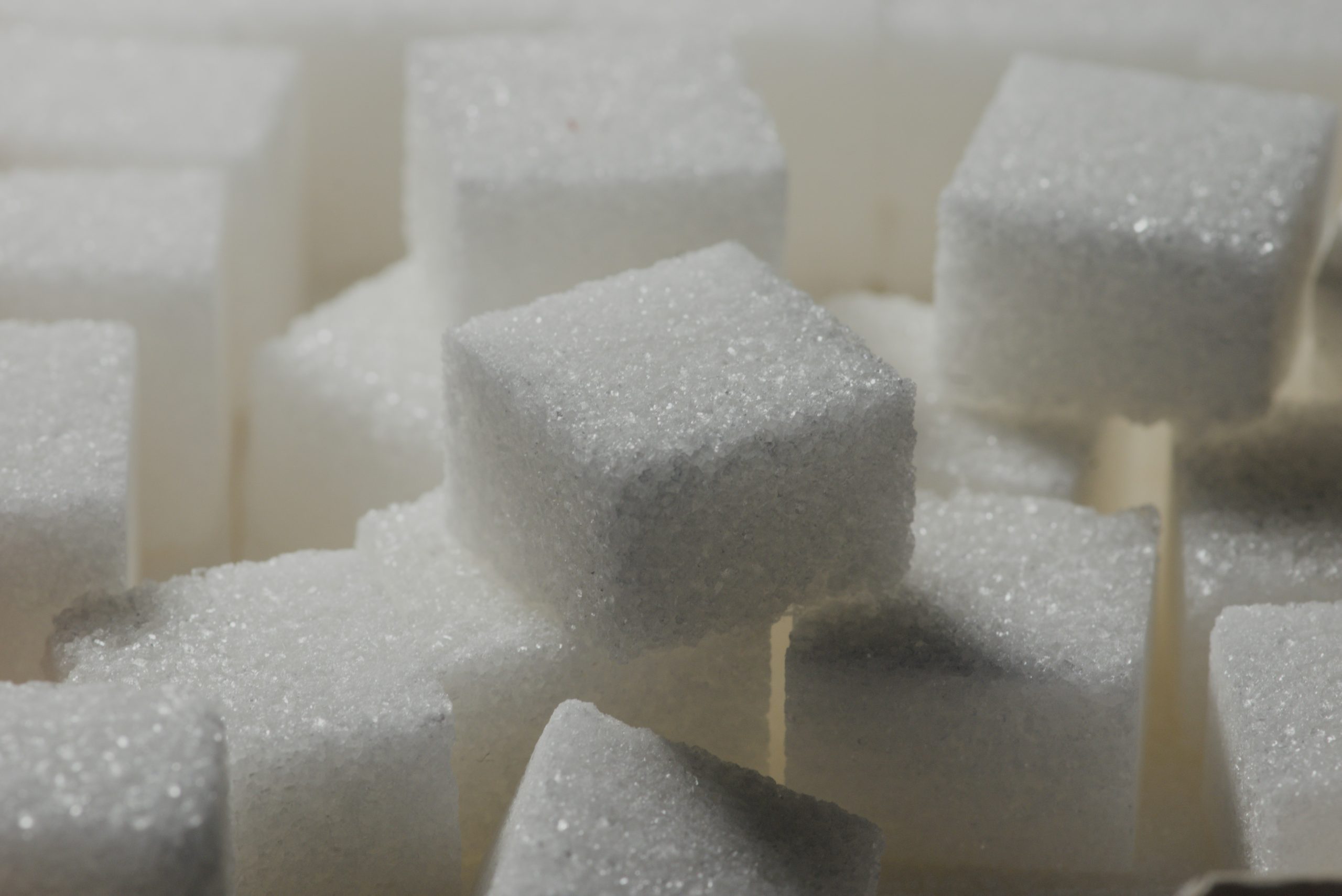
In fact, the main driver is often sugar. When we consume more sugar than our bodies need, it gets converted into fat, specifically triglycerides, which can accumulate in the liver.
Over time, this fat can interfere with liver function and contribute to metabolic problems, including high cholesterol, insulin resistance, and hormonal imbalances. (More on this to come!)
Despite this, fatty liver can be silent, i.e. it’s pretty common that it’s symptomless.
Blood tests might show normal liver enzymes, giving the impression that everything is fine. And ultrasounds don’t always give you the full picture either.
They’re used to detect fat, BUT sometimes the technician can’t see the entire liver clearly on that particular day, so fat deposits may go unnoticed.
Basically? This means you could have fatty liver even if your routine blood work looks normal.
But don’t panic, we’re going to help you identify the signs and point you in the direction of proper testing.
The liver-gallbladder connection
What’s the gallbladder got to do with the liver? Quite a lot actually.
Gallbladder stone disease (also known as gallstones or cholelithiasis) and fatty liver disease are frequently linked due to shared risk factors, including obesity, insulin resistance, and metabolic syndrome.
But, even if gallstones are not present, the issue may be gallbladder sludge, which, put simply, is a concentrated buildup of bile and cholesterol which is less liquid and more ‘sludge-like’ in consistency.
Both gallbladder stones and sludge can occur at any age, affecting both men and women. However, women are more prone, particularly when oestrogen levels change, such as during perimenopause, pregnancy, or hormone replacement therapy (HRT).
Gallstones or gallbladder sludge and fatty liver often appear together, but they are sometimes overlooked in routine check-ups.
Treating one without considering the other may limit your results.
Supporting both liver and gallbladder health, on the other hand, can make a noticeable difference in energy, weight management, and overall well-being.
Here’s the thing though: The liver and gallbladder are sometimes overlooked in routine check-ups.
In fact, when cholesterol is raised, physicians may focus on treating the cholesterol itself and miss the underlying liver or gallbladder issue that’s driving it.
Did you know sugar (not fat) is often the culprit?
One of the most common misconceptions you’ve probably heard about fatty liver is that it’s caused by eating fatty foods. The clue’s in the name, after all.
While diets high in processed fats can contribute, the main culprit is often excess sugar.
The liver converts excess sugar into triglycerides, which then get stored as fat. This process can elevate cholesterol levels, increase insulin resistance, and make weight loss more challenging.
This is important because for those trying to manage stubborn weight or hormonal issues, simply cutting calories or fat may not be the right move.
If sugar intake remains high, the liver continues to store fat and insulin resistance persists, creating a cycle that’s difficult to break without the right guidance and support.
Fatty liver/MASLD: Why does it matter?
Right about now, you might be thinking: if my liver enzymes are normal and I feel mostly okay, why should I care?
The issue is that fatty liver can quietly influence many areas of your health, like…
- Weight and metabolism: Fatty liver can slow your metabolism, making it harder to lose weight even with consistent effort.
- Hormonal balance: A sluggish liver can disrupt oestrogen metabolism, potentially worsening PMS, irregular cycles, and menopausal symptoms.
- Cardiovascular risk: Fatty liver is linked with higher triglycerides and cholesterol, which can affect heart health over time.
- Progression to liver disease: While not everyone with fatty liver develops severe liver disease, unchecked fat accumulation can lead to inflammation, fibrosis, and in some cases, cirrhosis.
The bottom line is that fatty liver can leave you struggling with other issues, like stubborn weight and hormonal imbalances, usually without you realising that your lovely liver is the problem. After all, we so often see it as an organ impacted by alcohol, but it’s so much more!
Supporting your liver and gallbladder
If you’ve been to visit your doctor about fatty liver, you might have been told to simply drink less alcohol.
Reducing your alcohol intake is important, even if alcohol isn’t the cause, but it’s only a small part of the problem, because – as you’ve just learned – fatty liver is more often related to sugar, metabolism, and hormonal changes than to drinking habits alone.
It’s important to get full and comprehensive testing, health analysis and dietary review (more on this below!). But there are also some diet and lifestyle interventions you can try at home…
Reduce sugar intake
Excessive sugar consumption, particularly fructose, is a significant contributor to non-alcoholic fatty liver disease (NAFLD).
A study published in BMJ Open estimated that a 20% reduction in added sugars could decrease the prevalence of hepatic steatosis, NASH, cirrhosis, and related conditions.
Want to reduce your sugar intake but not sure where to start? We have you covered inside our That Blood Sugar Food Guide. It shows you how to be blood sugar smart when you shop.
Include healthy fats in your diet
Omega-3 fatty acids, found in fatty fish like salmon and plant sources like chia and flax seeds, have anti-inflammatory properties that can reduce liver fat.
Consider adding chia, flax, and walnuts to smoothies, salads, or yoghurt, and aim to consume fatty fish such as salmon, mackerel, or sardines across the week.
And if you believe your dietary intake is insufficient? Consult with us to get an Omega-3 supplement recommendation.
We offer a finger-prick at-home test kit for omega 3:6. This allows us to pick the best supplement for your individual needs.
Hydrate
One of the simplest things you can do is drink more water. Staying well-hydrated helps the liver function better by aiding in waste elimination and supporting bile production.
If you find it difficult to drink up? To start, you might consider swapping out one caffeinated drink for a tall glass of water instead.
And if you don’t love the taste of water? You might consider electrolytes. We’ve covered them in-depth in our electrolytes blog.
Eat more liver-supporting foods
Eat your greens! Cruciferous vegetables like broccoli and Brussels sprouts contain compounds like sulforaphane that enhance liver detoxification enzymes.
Research published in PMC indicates that these vegetables can increase the detoxification of carcinogens and other harmful substances in the liver.
You might like to pair cruciferous vegetables with garlic and onions, which also support liver detoxification. Even better, sprout broccoli seeds!
What about testing?
If you suspect fatty liver or experience persistent fatigue, stubborn weight gain, or hormonal issues, it’s important to investigate.
Tests may include:
- Ultrasound imaging (to detect fat in the liver – get a check on the gallbladder while you’re there (it’s, anatomically, right next door)
- Liver function blood tests (to monitor enzymes, though normal results don’t rule out fatty liver)
- Cholesterol and triglyceride blood panels (including looking at VLDL, Lp(a), sdLDL, oxidised cholesterol)
- Assessment of hormonal balance and metabolic health
Ultimately, a holistic approach, considering diet, lifestyle, and liver/gallbladder function together, will be more effective than focusing on one symptom alone.
And that’s what we do here at Integral Wellness!