
You’re tucked up in bed, exhausted… but your brain is buzzing. Or maybe you fall asleep easily, only to wake up at 2am, wide-eyed, wondering why. If that sounds familiar, you’re not alone. Over half of adults report not getting enough sleep—and while stress and screen time get most of the blame, there’s another major player that often goes unnoticed: your food.
The truth is, what you eat throughout the day and in the hours before bed can have a profound effect on your sleep quality. From blood sugar crashes that wake you in the night to nutrient deficiencies that block melatonin production, your diet could be silently sabotaging your rest.
Do you know about the fascinating relationship between your food and your sleep? The food you choose affects the production of key sleep-supportive hormones like melatonin and serotonin—both of which rely on specific nutrients to function properly. Your blood sugar rhythm also plays a powerful role in regulating your circadian rhythm, the internal clock that tells your body when it’s time to rest. And while some foods help calm your nervous system and ease you into sleep, others do the exact opposite—stimulating your body and keeping you wired when you need to wind down.
Forget old myths about a warm glass of milk. In Natalie’s article for Healf, you’ll discover why a handful of almonds might be better than a banana, how magnesium-rich foods help you relax, and why high-fat takeaways or a cheeky chocolate treat late at night might be wrecking your sleep more than you realise. There’s even a recipe for a “sleepy lavender milk” and a nighttime smoothie that blends nutrition with calm in a cup.
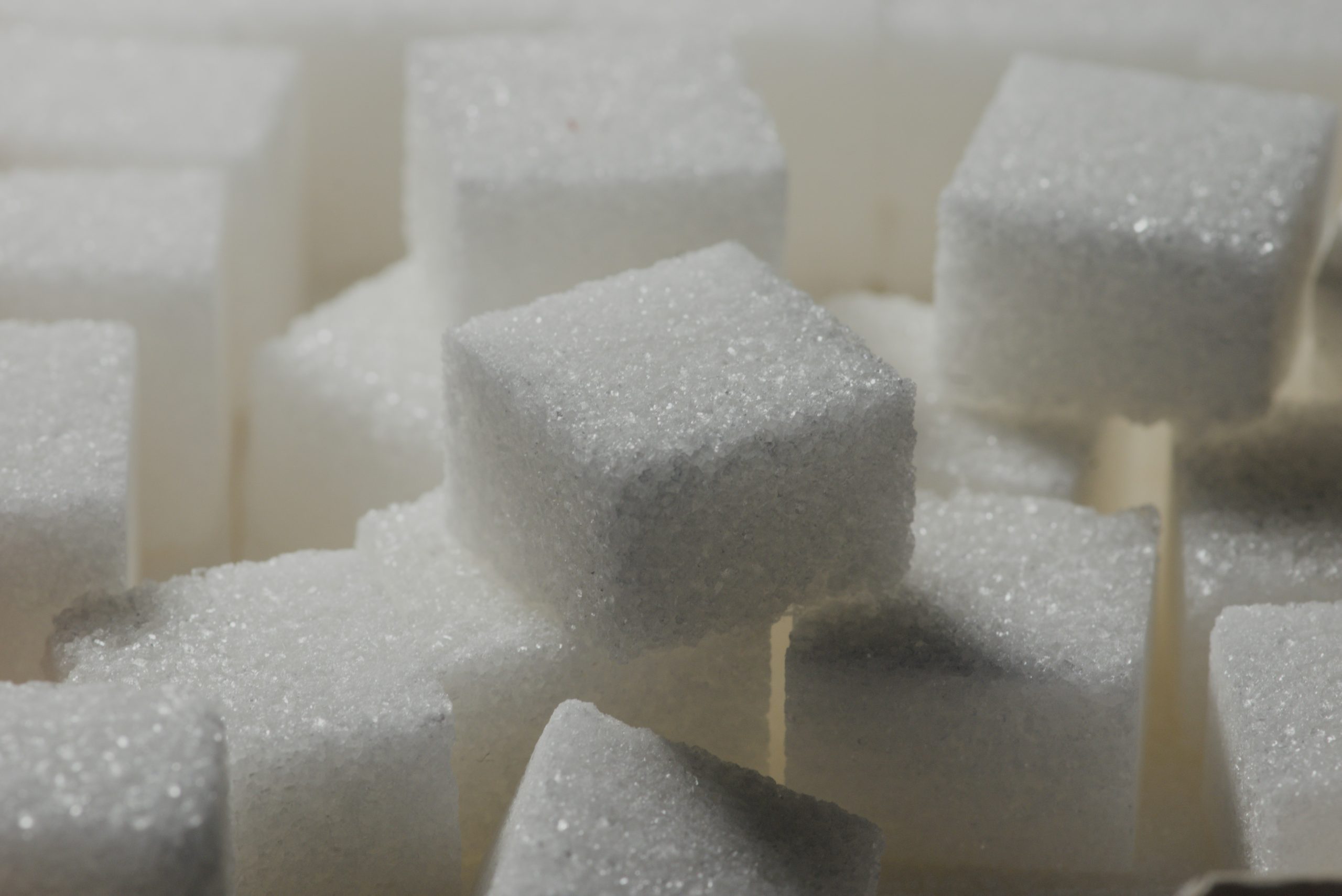
Natalie also highlights the foods and drinks you’ll want to avoid in the evening—like caffeine, spicy meals, refined sugars, and even seemingly healthy snacks that cause your blood sugar to spike and crash. These disruptions don’t just affect your sleep—they can also be signs of deeper metabolic imbalances, like insulin resistance.
Whether you’re battling regular insomnia or just want to wake up feeling more refreshed, this blog offers a gentle but powerful reminder: a good night’s sleep starts long before your head hits the pillow.
Read the full blog to discover the best foods to eat before bed, what to avoid, and how to build a sleep-supportive routine—without the guesswork.