
At some point, most of us have done it - fallen down a late-night health rabbit hole, searching symptoms, looking for reassurance, hoping for clarity. But increasingly, those searches are no longer leading us to forums or medical websites. Instead, they’re becoming conversations.
Artificial intelligence is quietly reshaping how we seek health information, offering something many traditional systems struggle to provide: immediacy, accessibility, and the feeling of being heard. When questions feel too small, too complicated, or too urgent to wait weeks for an appointment, it’s understandable that people are turning to tools that promise answers within seconds.
Yet beneath this convenience lies a far more important conversation – one that goes beyond whether AI is “good” or “bad” for our health.
What happens when technology begins to influence how we interpret symptoms, understand risk, or make decisions about our bodies? Where does helpful education end and misplaced trust begin? And perhaps most importantly, are we prepared for the subtle ways these tools can shape our perception of expertise, authority, and care?
As a clinician, I see both sides emerging in real time: the empowerment that can come from clearer information, and the quiet dangers that arise when nuance, clinical reasoning, and lived context are reduced to patterns in data.
This isn’t about fear or resistance to innovation. Healthcare has always evolved alongside technology. But progress invites responsibility, and curiosity should always be paired with discernment.
Before you ask your next health question into a search bar or chatbot, it may be worth pausing to consider not just what you’re asking, but who – or what – is answering.
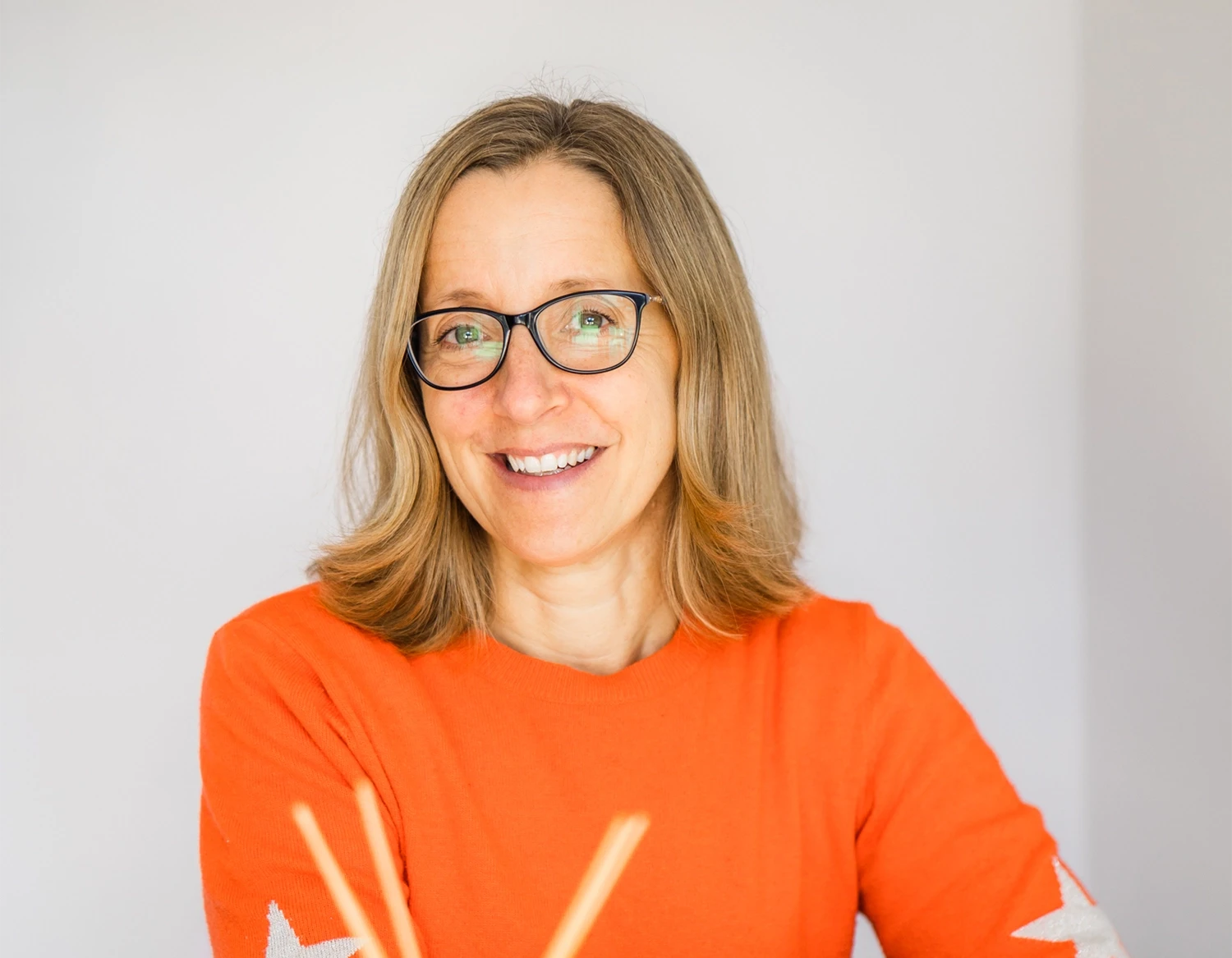
In this piece for The Well Edit, Natalie explores the powerful rise of AI in healthcare, where it can genuinely support us, where caution is essential, and how to use these tools wisely without outsourcing the very judgment that keeps us safe.
Read the full article to step into the conversation shaping the future of how we care for our health.